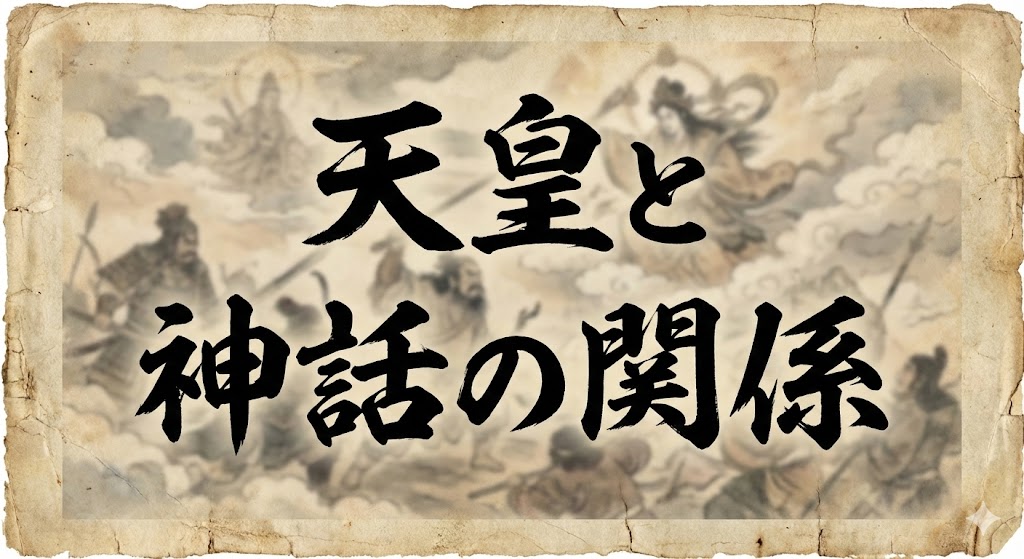
The precise historical origins of the Japanese imperial family remain shrouded in myth. However, 8th-century texts like the Kojiki successfully engineered their divine authority by linking their lineage directly to the gods. Ultimately, these creation narratives reveal how early rulers mapped their geographical world and permanently legitimized their political power.
The exact historical genesis of the imperial bloodline remains deeply uncertain. Currently, the constitution restricts the Emperor to a symbolic role. However, pre-war Japan recognized absolute Tochi-ken, and even Edo-period samurai heavily relied on the Sonno Joi ideology for spiritual and political guidance during turbulent times.
Therefore, this remarkable endurance stems not from military might, but from a heavily engineered mythical narrative. This deeply rooted connection to the divine realm provided the ultimate justification for their continuous reign, anchoring the national identity across centuries of shifting political landscapes.
🌿 Key Takeaways 🌿
Mythical legitimacy effortlessly outlasts political shifts. The continuous divine imperial narrative provided an unbreakable psychological foundation for the nation, regardless of which warrior clan held actual military dominance.

The 8th-century Yamato government officially documented the imperial origins through the Kojiki and Nihon Shoki. These texts vividly describe the “Kuniumi” (birth of the land). Izanagi (The male creator god) and Izanami (The female creator goddess) stirred the chaotic ocean with a heavenly spear to systematically form the Japanese archipelago.
Surprisingly, their divine creation, known as Oyashima, deliberately excludes modern territories like Hokkaido and Okinawa. Consequently, this mythological map accurately reflects the strict geographical control and political awareness of the 8th-century Yamato administration, proving that myths functioned as practical political documents.
🌿 Key Takeaways 🌿
State-sponsored myths operate as explicit political maps. The compilation of these grand narratives successfully formalized the nation’s recognized borders while clearly defining the ruler’s divine mandate.

The creation process concluded tragically when Izanami died giving birth to the fire god. A grieving Izanagi journeyed into Yomi-no-kuni to retrieve her but fled in absolute terror upon witnessing her rotting corpse. Therefore, he desperately performed Misogi in a river to cleanse himself of the ultimate defilement of death.
This essential purification ritual miraculously birthed the Sankishi. The sun goddess Amaterasu (The supreme solar deity) emerged from his left eye, granting the imperial family its direct solar ancestry. Ultimately, this specific divine connection secured unquestionable, eternal religious legitimacy for the Japanese throne.
🌿 Key Takeaways 🌿
Ritual purification birthed absolute divine authority. These dramatic mythological events established a strict heavenly hierarchy and provided an unbreakable religious foundation for the imperial bloodline.

── Finally, let's recap with the summary and FAQ of this article.
Mythological narratives deliberately engineered ancient state authority. By elevating their origins to the realm of gods, early rulers successfully justified their political dominance. The main points of this article are:
✅ Mythological maps accurately reflected actual territorial control.
✅ Divine ancestry established unshakeable, enduring political authority.
We hope these ancient narratives offer valuable perspectives on how historical storytelling shapes national identity and legitimizes power.
Q1. What is the difference between the Kojiki and Nihon Shoki?
The Kojiki primarily targeted a domestic audience using an engaging narrative style. Conversely, the Nihon Shoki utilized formal Chinese to confidently assert international legitimacy to foreign powers.
Q2. Why are Hokkaido and Okinawa missing from the myth?
The 8th-century Yamato government considered these outer regions strictly beyond their political control, treating them as foreign lands entirely outside their recognized geographical world.
Q3. Does Izanagi’s underworld journey have global parallels?
Yes, highly similar narratives, such as the Greek myth of Orpheus, exist worldwide. These shared ancient stories powerfully reflect universal human anxieties regarding death, decay, and eternal separation.


コメント欄