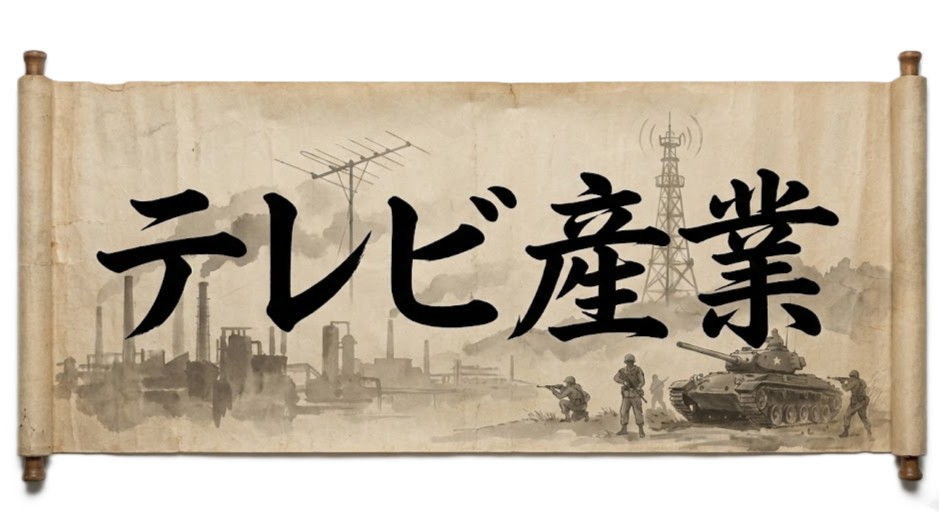
In 1960, the Ministry of International Trade and Industry (MITI) secretly authorized domestic television cartels to aggressively fund global dumping strategies. Concurrently, Prime Minister Ikeda Hayato brilliantly shifted the national focus from toxic political ideology to explosive economic prosperity. Ultimately, this masterful cycle of wealth distribution and rural subsidies secured an unprecedented economic boom and permanently cemented the Liberal Democratic Party’s long-term dominance.
The government desperately sought to acquire foreign currency through the lucrative television industry. Therefore, Tsusan-sho orchestrated a controversial strategy, secretly authorizing massive domestic Karuteru. This deliberate suppression of free competition allowed major manufacturers to geographically divide the Japanese market and maintain exceptionally high prices without facing domestic rivals.
Furthermore, these corporations weaponized their massive domestic profits to launch aggressive Danpingu offensives in the United States. By selling products below cost, they systematically annihilated American competitors and rapidly seized global market share. Ultimately, this state-sponsored scheme forced Japanese citizens to unknowingly fund an international industrial conquest through their own inflated domestic purchases.
🔍 Key Takeaways 🔍
The government actively orchestrated illegal price manipulation to exploit domestic consumers. These massive domestic monopoly profits functioned as the primary war chest to aggressively conquer global markets through predatory pricing.

While MITI engineered the economic engine, Ikeda Hayato (The visionary Prime Minister) masterfully crafted the public narrative. He successfully diverted national attention from the toxic ideological warfare of the Anpo protests to the tangible goal of “improving daily life.” His famous Shotoku Baizo Keikaku presented a massive, inspiring vision that completely overshadowed the opposition’s incredibly modest economic proposals.
Ikeda’s true political genius lay in translating complex economic metrics into a simple, irresistible promise: “Your salary will increase.” Miyazawa Kiichi (The influential protégé) later highly praised Ikeda’s unprecedented ability to utilize hard data to drive political momentum. Consequently, this brilliant messaging transformed the public’s fundamental desire for wealth into a powerful engine for nationwide political stability.
🔍 Key Takeaways 🔍
Ikeda strategically shelved difficult political debates and harnessed the universal human desire for prosperity. Consequently, intense public frustration dissolved seamlessly into the overwhelming wave of an economic boom.

The government efficiently converted the massive tax revenues generated by this growth directly into political votes. Ikeda aggressively expanded Shakai Hosho to capture broad public support, effectively hijacking a core opposition platform. Simultaneously, the Nogyo Kihon-ho provided generous equipment subsidies to farmers, permanently securing the LDP’s crucial rural electoral stronghold.
Furthermore, the Zenkoku Sogo Kaihatsu Keikaku systematically distributed industrial development to regional cities. While officially promoting balanced national growth, this plan practically functioned as a massive machine for distributing pork-barrel benefits. Ultimately, the peaceful passage of the 1970 security revision proved conclusively that citizens had chosen the tangible rewards of economic distribution over political radicalism.
🔍 Key Takeaways 🔍
The government maintained absolute power by systematically distributing the cash rewards of economic growth. By spreading this financial success nationwide, the LDP constructed an unbeatable, long-term electoral fortress.
── Finally, let's recap with the summary and FAQ of this article.
During the Ikeda era, MITI’s aggressive export strategy and the LDP’s masterful wealth distribution drove unprecedented high growth. This completely shifted the national focus from political ideals to tangible lifestyle improvements, definitively securing the LDP’s long-term dominance. The main points of this article are:
‣ Ikeda brilliantly translated complex economics into a popular national dream.
‣ Strategic wealth distribution permanently cemented the LDP’s political fortress.
We hope these historical lessons offer valuable perspectives on how the cycle of economic growth and targeted political distribution fundamentally shaped the structure of modern Japanese society.
Q1. Why did the United States allow Japan’s aggressive dumping?
During the Cold War, the US highly prioritized Japan as a crucial anti-communist ally, often overlooking aggressive trade practices. Furthermore, American corporations initially underestimated Japanese capabilities.
Q2. How did Ikeda’s economic vision differ from the opposition’s?
While the Socialist Party proposed incredibly modest goals, Ikeda offered a dramatic, explosive vision of national wealth through the Income Doubling Plan, successfully capturing the public’s imagination.
Q3. How does this era’s political style affect modern Japan?
It permanently established economic growth as the primary metric for evaluating government success. Additionally, the structural reliance on pork-barrel politics and regional subsidies firmly took root during this period.
コメント欄