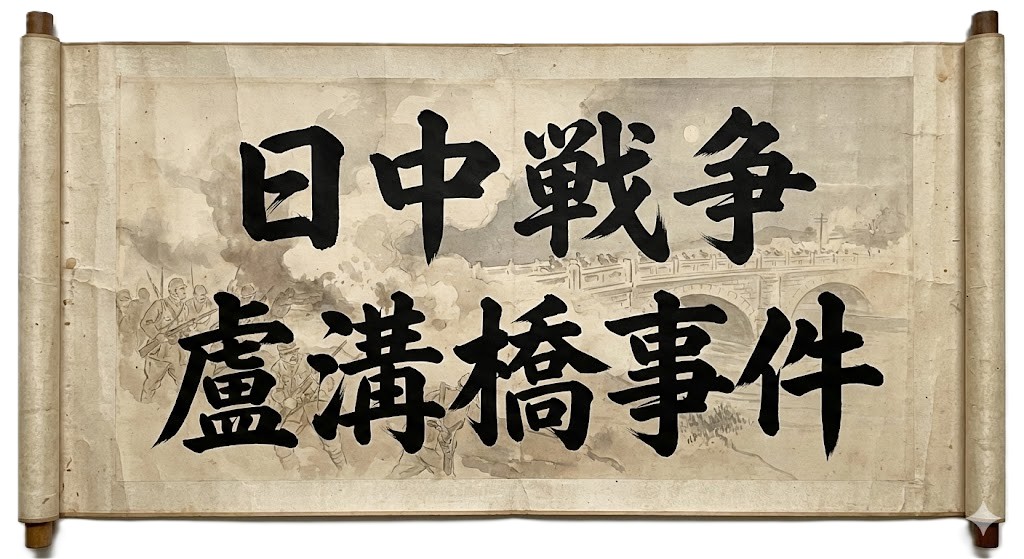
The failed Ni-ni-roku Jiken uniquely birthed Japanese totalitarianism without installing a single dictator. Consequently, a highly irresponsible power structure paralyzed national decision-making, leaving competing factions to endlessly compromise. Ultimately, a minor skirmish at the Marco Polo Bridge escalated into the disastrous Second Sino-Japanese War, driven by Japan’s fatal underestimation of fierce Chinese nationalism.
European fascism typically required a Kakumeiteki na Danzetsu. However, Japan experienced a uniquely different trajectory. The Ni-ni-roku Jiken, executed by young officers devoted to Kita Ikki (The influential thinker), ultimately failed. Surprisingly, their radical ideology survived the crushed rebellion. This dangerous extremism silently permeated the deepest layers of the military establishment like a lingering ghost.
The true terror emerged from this faceless progression. Japan never crowned a specific dictator. Instead, the radical atmosphere from the failed coup systematically infected the existing regime. Consequently, without a clear leader, the entire nation seamlessly and dangerously shifted toward totalitarianism. This insidious, invisible transformation constitutes the deepest darkness of this era.
🔍 Key Takeaways 🔍
Unlike European dictatorships, Japan’s descent into fascism lacked a clear starting point or a single ruler. The toxic ideology of a failed coup silently poisoned the existing political system. Ultimately, the entire nation drifted past the point of no return without anyone noticing.

The fading of the Meiji no Katosieji and the collapse of party politics created a massive power vacuum at the center of the Japanese government. Specifically, the Army and Navy fiercely battled over budget allocations, while the Keizai Kanryo desperately protected their own administrative territories. Therefore, absolutely no one possessed the authority or capability to systematically control and steer the nation.
Consequently, national politics devolved into bizarre, dysfunctional compromises. Even the prestigious Gozen Kaigi transformed into a mere ceremonial space to appease competing organizational egos. By tradition, the Emperor remained silent on policy decisions. Ultimately, this chaotic system allowed the prevailing atmosphere, rather than decisive leadership, to dictate dangerous national policies.
🔍 Key Takeaways 🔍
Japan operated like a massive corporation missing its CEO, leaving department heads to endlessly bicker and collude. This catastrophic organizational flaw erased all accountability. Consequently, fatal national decisions emerged from ambiguous compromises rather than responsible leadership.

In 1937, the Rokokyo Jiken began absurdly when a Japanese soldier temporarily went missing for a bathroom break. Based on past victorious experiences, frontline commanders stubbornly assumed China would immediately surrender. However, this arrogant miscalculation proved fatal. Surprisingly, Chinese nationalism had grown exponentially, forging an incredibly fierce and unified resistance that shattered Japanese expectations.
The Japanese military rapidly captured major cities, committing horrific atrocities like the Nankin Daigyakusatsu. Yet, the Chinese government stubbornly refused to submit, retreating deep inland to wage a relentless war of attrition. Consequently, Konoe Fumimaro (The frustrated prime minister) futilely established the O Chomei Seiken. Ultimately, lacking any coherent exit strategy, Japan plunged blindly into an endless, exhausting quagmire.
🔍 Key Takeaways 🔍
A trivial misunderstanding, fueled by arrogant assumptions of enemy weakness, ignited a massive conflict. Lacking any definitive victory conditions or exit strategies, the military simply expanded the battlefront. Ultimately, this miscalculation endlessly drained the nation’s vital resources.
── Finally, let's recap with the summary and FAQ of this article.
Japan during this era lacked a powerful dictator; instead, a catastrophic system of irresponsibility endlessly expanded the war. Arrogant frontline miscalculations perfectly matched an accommodating, paralyzed central government. Ultimately, the tragic absence of anyone with the courage and authority to halt the spinning gears led the nation to absolute ruin. The main points of this article are:
‣ The establishment of a deeply irresponsible, faceless power structure.
‣ A fatal underestimation of resilient Chinese nationalism.
We hope these historical lessons offer valuable perspectives on how organizational dysfunction and a lack of accountability can trigger uncontrollable disasters.
Q1. Why did military influence increase after the failed coup?
Although the perpetrators were executed, their radical ideology resonated deeply within the military. Consequently, this widespread sympathy massively amplified the military’s pressure on civilian politics.
Q2. Why didn’t the Emperor stop the military’s rampage?
Following the strict conventions of a constitutional monarch, he refrained from dictating specific policies. Therefore, he primarily functioned as a passive mediator for competing factions rather than a decisive ruler.
Q3. Why did Japan falsely believe it could easily defeat China?
Intoxicated by past successes since the First Sino-Japanese War, leaders arrogantly assumed a single hard blow would force immediate negotiations, fatally underestimating the unwavering Chinese will to resist.
コメント欄