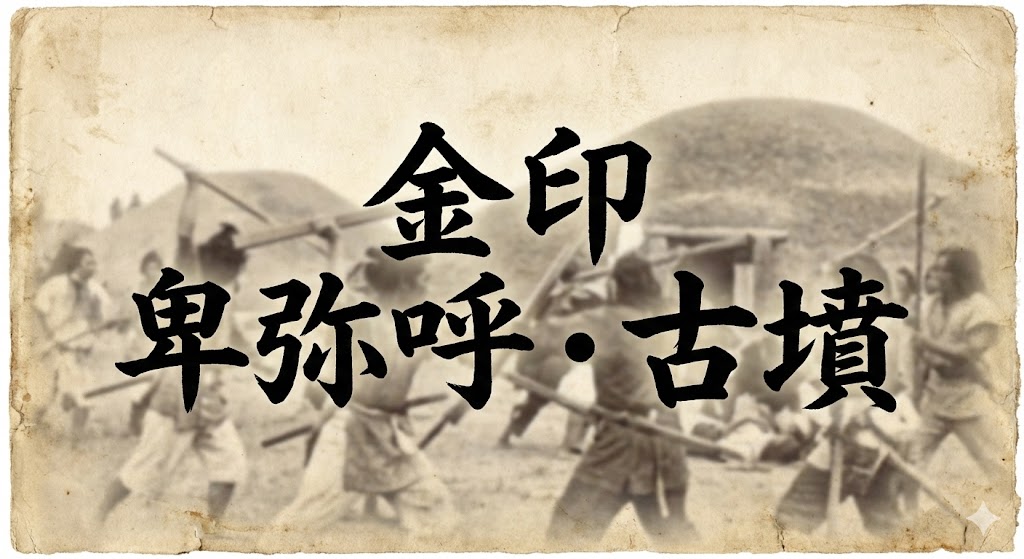
Ancient Japan, initially labeled “Wa” by China, cleverly leveraged foreign diplomacy to establish domestic authority. The gold seal served as proof of this international backing. Subsequently, Himiko pacified a fractured nation through mystic governance. Ultimately, the introduction of continental technologies and the construction of massive tombs birthed the powerful, centralized Yamato state.
Ancient China officially recorded Japan as Wa. This derogatory term heavily reflected Chuka Shiso. However, early Japanese leaders prioritized political leverage over naming semantics. Therefore, they desperately sought official recognition from the Chinese Emperor to elevate their domestic status.
Consequently, a Japanese envoy braved a dangerous voyage in 57 AD to receive the gold seal from the Han Emperor. This vital diplomatic artifact guaranteed exclusive trade rights and political legitimacy. Rulers immediately utilized this overwhelming foreign authority to crush internal rivals and legitimize their supremacy.
🌿 Key Takeaways 🌿
International recognition builds absolute domestic power. Early rulers willingly accepted insulting titles to secure Chinese diplomatic backing, monopolizing trade and establishing political dominance over rival chiefdoms.

Devastating civil wars ravaged Japan two centuries after the gold seal. Surprisingly, the people co-elected Himiko (The shaman queen) to restore order. She effectively utilized Kido to captivate the masses and govern the nation. Furthermore, she maintained an aura of absolute mystery by isolating herself with a thousand female attendants.
The Gishi Wajinden meticulously details her diplomatic prowess alongside domestic customs. She successfully sent envoys to the Wei dynasty and secured the prestigious “Shin-gi Wa-o” title. This strategic achievement perfectly demonstrates how female religious and political authority stabilized early Japanese society.
🌿 Key Takeaways 🌿
Mysticism can conquer chaos. Himiko perfectly blended invisible charismatic authority with highly visible foreign backing to peacefully govern a fractured nation exhausted by endless warfare.

Massive Kofun emerged across the archipelago in the late 3rd century. These monumental Zenpo-koen-fun required immense, highly organized labor forces. Therefore, their sudden appearance clearly signifies the birth of a powerful, centralized Yamato government capable of mobilizing thousands of workers.
Toraijin (The skilled immigrants) significantly accelerated this political unification. They introduced revolutionary ironworking, durable Sueki pottery, and equestrian warfare. Ultimately, the Yamato clan monopolized these cutting-edge continental technologies to overwhelm regional rivals and establish an undeniable, unified national state.
🌿 Key Takeaways 🌿
Monumental architecture visualizes absolute power. The Yamato authority successfully combined imported high-tech with massive public works to solidify unquestionable dominance and build the prototype of modern Japan.

── Finally, let's recap with the summary and FAQ of this article.
The journey from scattered villages to a unified state relied heavily on foreign influence and visible authority. Diplomatic maneuvering, mystical integration, and monumental architecture successfully forged the early nation. The main points of this article are:
✅ Himiko’s mystical authority decisively pacified internal chaos.
✅ Continental technology and Kofun construction solidified Yamato supremacy.
We hope these historical strategies offer valuable perspectives on how information and technology shape leadership.
Q1. Why did ancient China call Japan “Wa”?
Chuka Shiso dictated that surrounding nations receive derogatory names. Therefore, they assigned characters meaning “short” or “obedient,” though the Japanese later altered this character to mean “harmony.”
Q2. Where exactly was Yamatai located?
The exact location remains heavily debated between Kyushu and Kinki. The gold seal surfaced in Fukuoka, but massive Kofun are concentrated in Kinki, leaving this historical mystery unsolved.
Q3. Why did rulers construct such massive Kofun?
These colossal structures functioned as visual propaganda. The sheer ability to mobilize massive labor forces perfectly demonstrated the ruler’s absolute power to both allies and enemies.
コメント欄