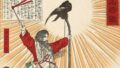
Oda Nobunaga (The radical innovator) perfectly embodied the concept of “destruction and creation” during the chaotic Sengoku period. He strategically implemented firearms, established a powerful standing army through Heino Bunri, ruthlessly suppressed Buddhist factions, and strictly enforced a demanding meritocracy. Consequently, these radical organizational reforms successfully laid the essential foundation for national unification. However, this extreme, uncompromising approach inevitably provoked a deadly, treacherous backlash from his own vassals.
Oda Nobunaga built the strongest military through rational strategy. He heavily invested in Teppo to decimate the supposedly invincible Takeda cavalry.
Furthermore, his implementation of Heino Bunri completely transformed military mobilization. Previously, conscripted farmers could not fight during planting or harvesting seasons.
Therefore, Nobunaga utilized his vast wealth to hire Yohei.
This financial strategy created a professional fighting force entirely detached from agricultural calendars. Consequently, this unprecedented year-round operational capacity drastically accelerated his conquest of Japan.
🔍 Key Takeaways 🔍
Technological and organizational innovation outpaces tradition. By combining firearms with a professional standing army, Nobunaga bypassed seasonal restrictions and overwhelmed his conventional rivals with sheer speed and constant mobilization.

For centuries, powerful Buddhist institutions like Enryaku-ji maintained untouchable political authority.
However, Nobunaga ruthlessly ordered the Hieizan Yakiuchi to eliminate his enemies seeking sanctuary there. This unprecedented assault permanently shattered the sacred immunity of religious factions.
Furthermore, he launched total annihilation campaigns against the Ikko-ikki rebellions. These fanatical religious uprisings severely threatened regional stability.
Therefore, Nobunaga demanded absolute submission through overwhelming military force. Ultimately, this violent suppression eradicated medieval religious authority and established a new order governed solely by secular power.
🔍 Key Takeaways 🔍
Absolute power tolerates no rival authorities. Nobunaga’s ruthless destruction of untouchable religious institutions proved that military might, not divine retribution, dictated the new rules of the Sengoku era.

Nobunaga ruthlessly enforced Seikashugi within his ranks. He readily demoted or exiled veteran retainers who failed to produce results.
Conversely, he rapidly promoted highly capable newcomers like Toyotomi Hideyoshi (The ambitious commoner) and Akechi Mitsuhide (The intellectual general). This radical personnel strategy directly served his ultimate goal of Tenka Fubu.
Surprisingly, this extreme rationality destroyed his organization from within.
The constant threat of dismissal bred intense fear and psychological pressure among his subordinates. Consequently, this toxic environment triggered the Honno-ji no Hen, where his own vanguard general suddenly assassinated him.
🔍 Key Takeaways 🔍
Ruthless efficiency breeds dangerous resentment. While pure meritocracy optimized military performance, the complete absence of psychological safety ultimately cost Nobunaga his life at the hands of his most capable general.

Oda Nobunaga fundamentally dismantled the medieval system through relentless destruction and creation. His radical restructuring of military, religious, and administrative frameworks permanently altered Japanese society. Ultimately, his violent innovations paved the way for subsequent leaders to establish lasting peace. The main points of this article are:
‣ Eradicating untouchable religious authorities through absolute force.
‣ Enforcing strict meritocracy at the cost of subordinate loyalty.
We hope these historical lessons offer valuable perspectives on the delicate balance between driving rapid innovation and managing human psychology.
Q1. Why didn’t warlords separate farming and warfare before Nobunaga?
Previous warlords lacked the economic foundation to sustain standing armies. Nobunaga utilized immense commercial wealth to fund this expensive military structure.
Q2. How does Heino Bunri relate to free market policies?
They are deeply connected. Nobunaga’s free market policies stimulated massive commercial tax revenue, which directly financed the hiring of professional mercenaries.
Q3. What modern lesson can we learn from Nobunaga’s innovations?
While questioning tradition and prioritizing rational efficiency drives rapid growth, neglecting emotional intelligence and psychological safety can lead to catastrophic internal collapse.